





Related articles
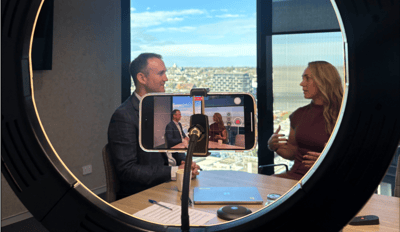




There was once a time when internal or in-house recruitment teams seemed a trend, much the same as the introduction of RPOs and certain social or new media platforms. However as their uptake and sophistication increases and a level of cost benefits are realised, it is now clear as day that dedicated internal recruitment teams are here to stay.
So what does this mean for the recruitment industry? Armageddon, the Apocalypse, End of Days?
Hardly. Put simply, there’s a place in the market for both.
Internal recruitment teams have strengths that should be leveraged by the organisations that employ them. Pending their size, there’s the ability to manage volumes of transactional recruitment, working solely for the organisation and its interests. As their embedded and in many cases, emotionally invested, internal recruitment teams have the opportunity to build strong internal relationships and fundamental knowledge that assists when trying to fill roles. There’s also the very real and obvious cost benefit to an organisation, typically paying lower total salaries to the external recruitment industry and reducing/removing recruitment fees. Looking at just some of the benefits of such a model, as an experienced consultant that’s been in industry for many years, it’s conceivable that this would seem the way to go for many organisations.
But is an internal recruitment team the silver bullet? Again, the answer is hardly.
There are some talented recruitment professionals out there, working for a selection of highly experienced, specialised and successful recruitment companies. These companies that have built their businesses over many years with a sole focus on a particular discipline or industry sector.
Recruitment Consultants in these environments know their market intimately and more often than not, have greater reach than internal recruitment teams. They spend every part of their working day (and in many cases their personal time) focusing on their specialisation and have the time to ensure that they’re connected to all of the talent in the market. Typically in these environments, recruitment consultants work only a handful of roles in their specialist field, enabling them to focus on quality and depth of process to ensure they secure clients the best talent in the market, not just the candidates available. They too are emotionally invested in the clients they work for, particularly if they’ve built a partnership over many years, as they want to see their clients doing well. Recruitment Consultants are also in a position to receive real and true insights on an organisation’s or brand’s market perception in an unbiased way, in turn working with their client to help improve or adjust.
There are arguments for and against on both sides. The above is just the tip of the iceberg. But perhaps the question shouldn’t be “Internal vs. external?”
I’d suggest a more appropriate question is“How do we strike the right balance between both?”
The opportunity isn't gone. It's just harder to reach. And the talent that can take you there is still out there, if you know where (and how) to look. Reach out to the FMCG Sales team below for a confidential chat.
executive search, career advice, accounting and finance
"I like to make myself redundant," says Bree Taylor. It sounds like an odd goal to set for your own...
market insights, leadership
For much of the past two decades, technical expertise was the currency that carried senior careers...
market insights, engineering, career advice
We often hear a different version of the same thing from clients across manufacturing, industrial...
market insights, consumer and fmcg, leadership, retail, marketing
When a senior leader resigns there is quite often a sense of urgency that tags along when searching...
market insights, retail, marketing
Written by Lucy Garrido & Maisie Sheffield Between us, we spend a lot of time talking to retail...