




By: Lauren Madden
Like most industries and markets, the for-purpose sector has experienced restructures, realignments, and tighter operating conditions over the past 12-18 months.
The difference though, is that many organisations were already working within constrained budgets. This has led to even leaner teams, with a greater reliance on generalists who can operate across multiple areas, rather than highly specialised roles.
At the same time, role expectations haven’t reduced. If anything, they’ve increased.
Organisations are still being asked to deliver meaningful outcomes for the communities they support, while also strengthening internal capability, improving systems, and demonstrating this impact to funders and stakeholders.
Looking at it from a hiring perspective, this has shifted what was historically a consistent brief. As a candidate, the focus is now heavily on showcasing your adaptability, breadth and the ability to contribute across a wider remit.
What’s driving demand right now
Across the sector, demand for income generators and story tellers to demonstrate impact has become more focused.
Fundraising and communications roles have been particularly active, reflecting a broader shift in how organisations are funded and the demand in having someone in the seat who knows how to engage their audiences.
As government funding becomes less predictable, the majority of organisations focus is on placing greater emphasis on building diversified revenue streams. That includes philanthropy, corporate partnerships, legacy and individual giving, which has increased the need for professionals who can build relationships, communicate their impact, and drive sustainable income over relying on government funding.
Alongside this, communications roles continue to play a critical role in shaping narrative, engaging stakeholders and bringing the organisation’s purpose to life. Storytelling, community engagement, and advocacy are central and important to how these organisations operate day to day.
For example, organisations such as Foodbank Australia use data-led storytelling and media advocacy through initiatives like the annual Hunger Report to influence public policy, engage communities, and bring the realities of food insecurity into the national conversation.
There has also been a noticeable increase in contracting roles, particularly where permanent headcounts are restricted. This reflects a more flexible approach to resourcing, while still ensuring capability gaps are filled.
What this means for candidates
For many candidates, the key driver to move into the for-purpose sector is driven by a desire to do more meaningful work and align their career with their values. We often see this when the overly corporate world becomes too much, and values no longer align.
That motivation is of course valid, as empathy, and the desire to be a part of a n impactful industry is non-negotiable - but it’s also often not enough on its own.
A consistent theme when hiring is the importance of being able to clearly articulate your “why”. Why this sector, why this cause, and why now. Candidates who are successful in making the transition (from corporate or an adjacent organisation) are often those who can demonstrate their alignment beyond just the ‘good’ intent. This is often through previous experience alignment, volunteering hours, or a genuine connection to the work.
In the for-purpose sector, many organisations offer access to salary packaging, which is a federal tax incentive that allows a portion of your income to be paid before tax is applied. In simple terms, this can reduce the amount of tax you pay and increase your take-home pay. Depending on your personal circumstances, this can include everyday expenses such as rent, mortgage payments, or utilities being paid from pre-tax income.
While it doesn’t always fully close the gap with corporate salaries, it can significantly change the overall value of a package. For candidates who are motivated by purpose but hesitant due to remuneration, taking the time to understand how this works can often shift the perception of what the move looks like financially.
But for newcomers, it’s also important to understand that many of these roles can be emotionally demanding.
In areas such as health, disability, or social services, professionals are often working closely with sensitive or confronting subject matter. This requires a level of self-awareness and resilience, as well as an understanding of how to engage with each story and stakeholder responsibly.
And for some, this becomes a deeply rewarding part of the role. For others, it can be more challenging than expected.
What these insights mean for employers
Hiring in the for-purpose sector now requires a more deliberate approach.
While many of the technical skills mirror those in the private sector, what sits around them is often what determines whether someone will succeed and stay. This starts well before interview stage, at the point of actually defining the role itself.
The first step is to find clarity around what success actually looks like. Understanding how the role contributes to funding, stakeholder engagement, service delivery, or community impact will shape the type of candidate you need, and how you proceed to assess them.
Throughout the process, values alignment remains one of the most important factors. Asking why someone wants to move into the sector is only part of the picture. Understanding how they have demonstrated that alignment, and whether it is sustainable in practice, is where stronger hiring decisions are made from leaders and hiring managers.
At the same time, there is a balance to be struck between passion and capability. Organisations cannot afford to compromise on skillset, particularly in roles tied to revenue generation, stakeholder engagement or strategic communication. The strongest hires are those who bring both – but in order to get there - the hiring process needs to be structured to test that balance.
Engaging with the right recruitment partner is important here for these very reasons. Understanding the nuance between candidates who are genuinely aligned and those who are exploring the idea, being able to assess long-term fit rather than short-term enthusiasm and asking the right questions early can significantly reduce the risk of attrition.
In a sector where roles can be both complex and emotionally demanding, hiring decisions carry more weight. Taking a more considered, consultative approach, supported by a partner who understands the space, ultimately leads to stronger, more sustainable outcomes for both the organisation and the individual.
A sector that continues to evolve
The for-purpose sector will always be shaped by broader economic and political forces.
Changes in government policy, funding models and community needs all have a direct impact on how organisations operate and, in turn, how they hire.
At the same time, there is a strong sense of collaboration and positivity within the sector. Organisations often share insights, learn from one another, and work together to improve outcomes, even when they are competing for the same funding.
For candidates and employers alike, this creates a space that is both complex and deeply human. One where decisions are rarely just commercial, but are instead shaped by purpose, responsibility and long-term impact.
If you’d like to explore opportunities within the for-purpose sector, or discuss how your organisation is approaching hiring in this space, our team are always here for a chat!
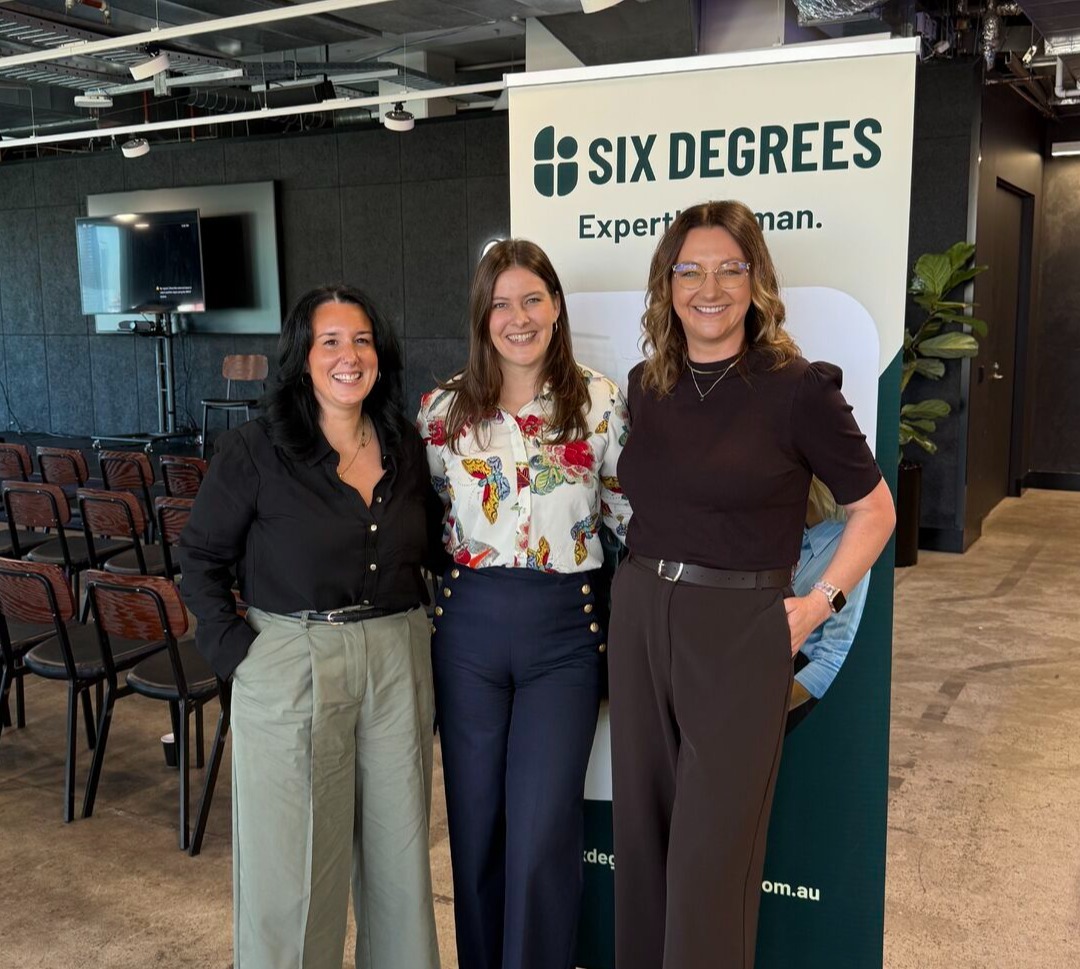
Looking to hire your next leadership team?
The opportunity isn't gone. It's just harder to reach. And the talent that can take you there is still out there, if you know where (and how) to look. Reach out to the For Purpose team below for a confidential chat.
Related articles

market insights, career advice, not for profit
Understanding the For-Purpose sector
Like most industries and markets, the for-purpose sector has experienced restructures,...

market insights, consumer and fmcg, leadership, retail, marketing
The succession problem that needs addressing
When a senior leader resigns there is quiet often a sense of urgency that tags along when searching...

market insights, retail, marketing
What the data tells us about the Retail market in 2026
Written by Lucy Garrido & Maisie Sheffield Between us, we spend a lot of time talking to retail...

career advice, job interview
How to prepare for an interview using the STAR model
As a candidate preparing for an interview, it’s essential that you make time to prepare for...
.jpg?width=400&name=Untitled%20design%20(1).jpg)
market insights, employee experience, career advice
Global Accessibility Awareness Day: Small changes that open more doors
Global Accessibility Awareness Day (GAAD) is a great reminder to pause and think about how...