



Ask ten working mothers what flexibility means to them, and you'll get ten different answers.
For one, it's the hours and for another it's having trust to manage her own day without explanation. Motherhood has many stages, some need support to attend appointments without feeling like a liability for it, others navigating it on their own, and some simply want to prioritise spending the important years with their child.
What the word means in practice is deeply personal - shaped by family structure, life stage, and geography. For Mother's Day, we asked five women across the Six Degrees Executive team to share their story of flexibly.
For the mum on the journey with Jo Krause 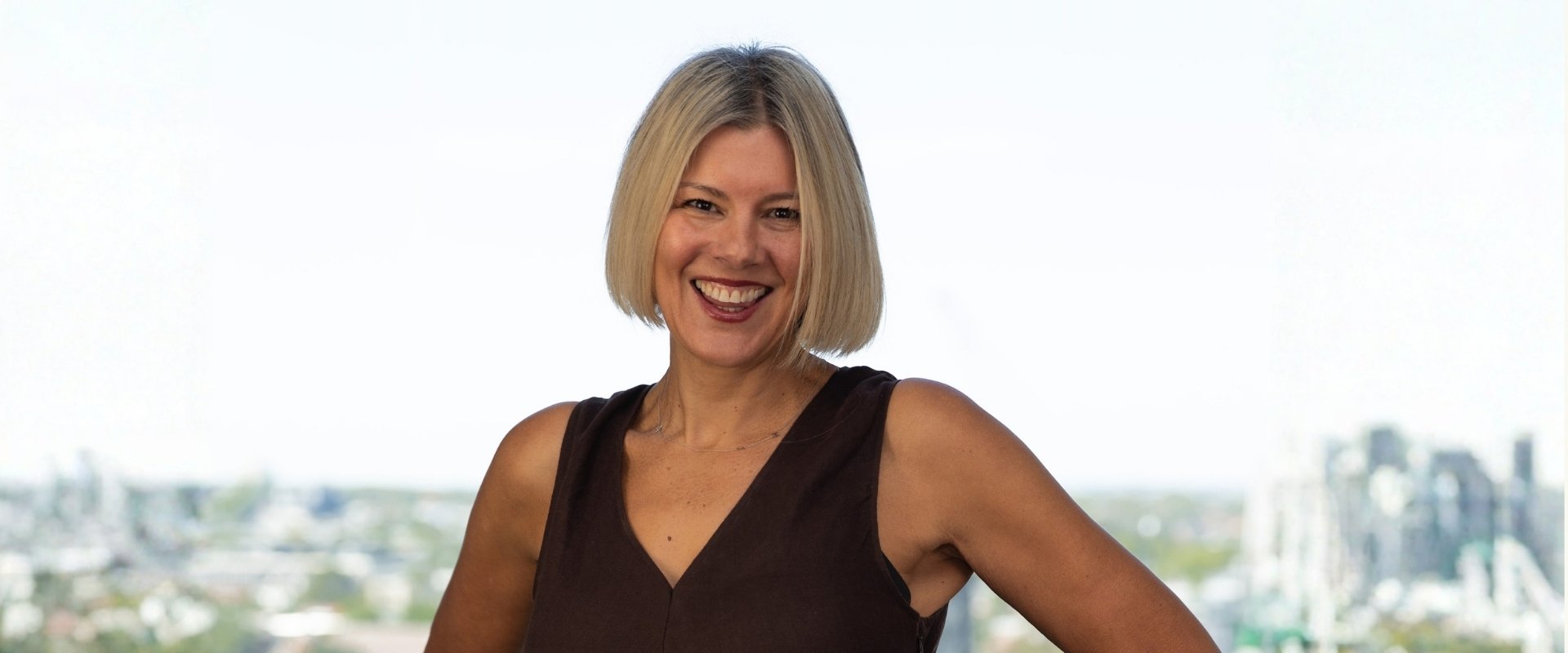
Before Jo became a mum, she was trying to become one. IVF is a process that is physically demanding, emotionally consuming, and largely invisible in most workplaces. For Jo, it didn't have to be.
"I was able to be open and have a safe relationship with my employer to share what was going on. I was always told - do whatever you need to. There was never any concern."
The psychological safety made her go from feeling like a burden to feeling like Six Degrees was on the journey with her. The appointments, the uncertainty, the emotional weight of the process - none of it had to be hidden or managed alone.
"A lot of mums or couples either don't tell anyone, or nobody knows - and you shut it out from the workplace, taking time off for appointments without anyone understanding why. For me, it created a community around me. I felt supported throughout."
For Jo, it was beyond the flexibility of her hours, and it was the openness and trust put into her where she felt safe enough to bring her whole self to work.
For the mum doing it on her own with Katrina Park
.jpg?width=1920&height=800&name=Mothers%20Day%20(1).jpg) For Katrina, flexibility was less about location and all about autonomy.
For Katrina, flexibility was less about location and all about autonomy.
"It's the constant trade-offs, the ability to shift gears quickly, and having enough autonomy to show up properly in both roles - even if not perfectly in either. Some days that mean early starts and late finishes. Other days it's blocking out time for school commitments and picking things back up later."
As a single mum working full time, there is no clean separation between work and life. The two are intertwined by necessity, and flexibility is what makes that sustainable rather than exhausting.
"What flexibility gives me is the ability to stay present where it matters, without feeling like I'm compromising my career or my role as a parent."
The autonomy and flexibly has also beautifully shaped how Katrina shows up as a leader. She is more outcome-focused, conscious of how people structure their time, and less interested in presenteeism for the sake of it.
"Good people don't need to be watched. They need to be trusted and given room to deliver."
For the mum, and leader with Rachel Shermer
.jpg?width=1920&height=800&name=Mothers%20Day%20(2).jpg) Rachel is a mother of two girls – and at every stage of their life called for a new schedule, new adventure, and new focus as a mother and leader.
Rachel is a mother of two girls – and at every stage of their life called for a new schedule, new adventure, and new focus as a mother and leader.
"Motherhood deepened my empathy and brought a more human, grounded approach to how I lead. It meant redefining what effective leadership looked like - without feeling I was compromising either part of my identity."
Relocating away from the city for her family meant Rachel couldn't always be physically present. Rather than limiting her, it sharpened her focus on trust, clarity, and intentional communication - the foundations of leadership that matter regardless of where you sit.
"Just as important was working with a supportive employer to find a new normal - one that recognised life evolves. Leadership doesn't always mean directly managing a team. It can take many forms."
Becoming a parent reshaped Rachel's priorities, but it didn't diminish her contribution.
For the mum without the village with Dani Davis
.jpg?width=1920&height=800&name=Mothers%20Day%20(3).jpg) Dani and her husband moved to Australia from the UK. With no family nearby and a husband who travels frequently, there was a gap in having immediate backup when she needed it.
Dani and her husband moved to Australia from the UK. With no family nearby and a husband who travels frequently, there was a gap in having immediate backup when she needed it.
"We have a nearly one-year-old and a three-year-old. Without access to childcare subsidies, we rely on a mix of daycare and an au pair. Flexibility in my start and finish times is essential for managing drop-offs and pick-ups."
For Dani, flexibility isn't a work-life balance conversation; it's more of a logistics one.
"Working from home an extra day a week allows me to stay on top of household tasks which significantly reduces the mental load and helps me be more focused and productive when I am working."
And when children are unwell, which with two under three, is often - the ability to be available without a penalty makes an already stretched situation manageable.
"Working for a company that understands these realities, especially one where other team members are also mums, makes a big difference. It creates an environment where I feel understood and able to perform at my best - both at work and at home."
What this looks like in practice by Alexandra Adams
.jpg?width=1920&height=800&name=Mothers%20Day%20(4).jpg) We recognise that becoming a parent is a personal and unique, and sometimes challenging experience and definitely not a one-size-fits-all, which is why our policies are designed to support the entire family unit - regardless of gender, family structure, or pathway to parenthood.
We recognise that becoming a parent is a personal and unique, and sometimes challenging experience and definitely not a one-size-fits-all, which is why our policies are designed to support the entire family unit - regardless of gender, family structure, or pathway to parenthood.
We ground everything in flexibility, inclusion, and wellbeing, offering a range of initiatives that support employees before, during, and after becoming parents, including:
- paid parental leave for both primary and secondary carers
- inclusive support for LGBTQIA+ families, adoption, blended families, and alternative pathways to parenthood
- reproductive health leave, supporting individuals regardless of gender at every stage of their fertility journey
- ‘keep in touch’ days during parental leave to help primary carers remain connected to their team and workplace community
- invitations to all strategy days, celebrations, and key business events whilst on parental leave
- parenthood days for both primary and secondary carers to care for a sick child when normal childcare arrangements are not available
- flexible work arrangements, including staggered start and finish times, part-time return-to-work options, and flexibility for medical appointments during pregnancy
- EAP that provides free and confidential support to our team as they navigate the complexities and challenges they may encounter as part of their parenthood journey
-
we buy a car-seat as the gift from the business for the first born baby for each employee!
Importantly, we intentionally use the language of primary and secondary carer rather than “mum” and “dad” because every family structure is different. We have women in our business who have returned to work after three months while their partner has become the primary caregiver, and our policies are designed to support those individual choices and circumstances.
Supporting parents properly creates a healthier, more engaged, and more sustainable workforce. We want our people to feel supported through one of the most significant transitions in their lives, while also enabling them to continue building meaningful careers.
Equally important is ensuring these policies continue to evolve with the needs of our workforce. We actively seek feedback through quarterly eNPS and wellbeing surveys, as well as an annual benefits review, to understand what is working, what modern families need, and where we can continue to improve.
Psychosocial safety and flexibility are also deeply connected. Creating a psychosocially safe workplace means creating an environment where people feel comfortable being open about their needs without fear of judgement, stigma, or career impact. For women, particularly pre, during, and post motherhood, that openness is critical.
When employees feel psychologically safe, they are more likely to have honest conversations about:
- flexible work needs,
- reproductive health requirements,
- fertility treatment,
- pregnancy,
- returning to work after parental leave,
- caring responsibilities,
- and the challenges that come with balancing career and family life.
That openness allows businesses to respond with empathy, practical support, and flexibility that works for the individual and the team.
As a People & Culture leader - wellbeing of both parent and child is should always the priority. It’s important to recognise that every experience is different, from how long someone works during pregnancy, to when they return to work, to what flexibility looks like once they become parents.
Importantly, it’s so important this culture is role modeled from the top. Our Board and leadership team are actively involved parents themselves, and it is normal within our business to see leaders utilising our flexible work environment and policies to participate in school events, manage the logistics of drop-offs and pick-ups, children’s sport, or family commitments. Having visibility like this helps create trust and removes the stigma often associated with flexibility. And trust is ultimately what drives performance and retention.
When people feel trusted and supported, they are more engaged, more loyal, and more committed to the success of the business.
In our experience, flexibility does not reduce accountability; it strengthens it. Employees who feel supported through major life stages are more likely to stay, contribute positively to culture, and perform sustainably over the long term. Psychosocial safety should not simply be a wellbeing initiative, but a critical part of building a high-performing, inclusive, and resilient workforce.
Happy Mother's Day to every mum navigating the beautiful, complicated, worthwhile juggle.

Related articles